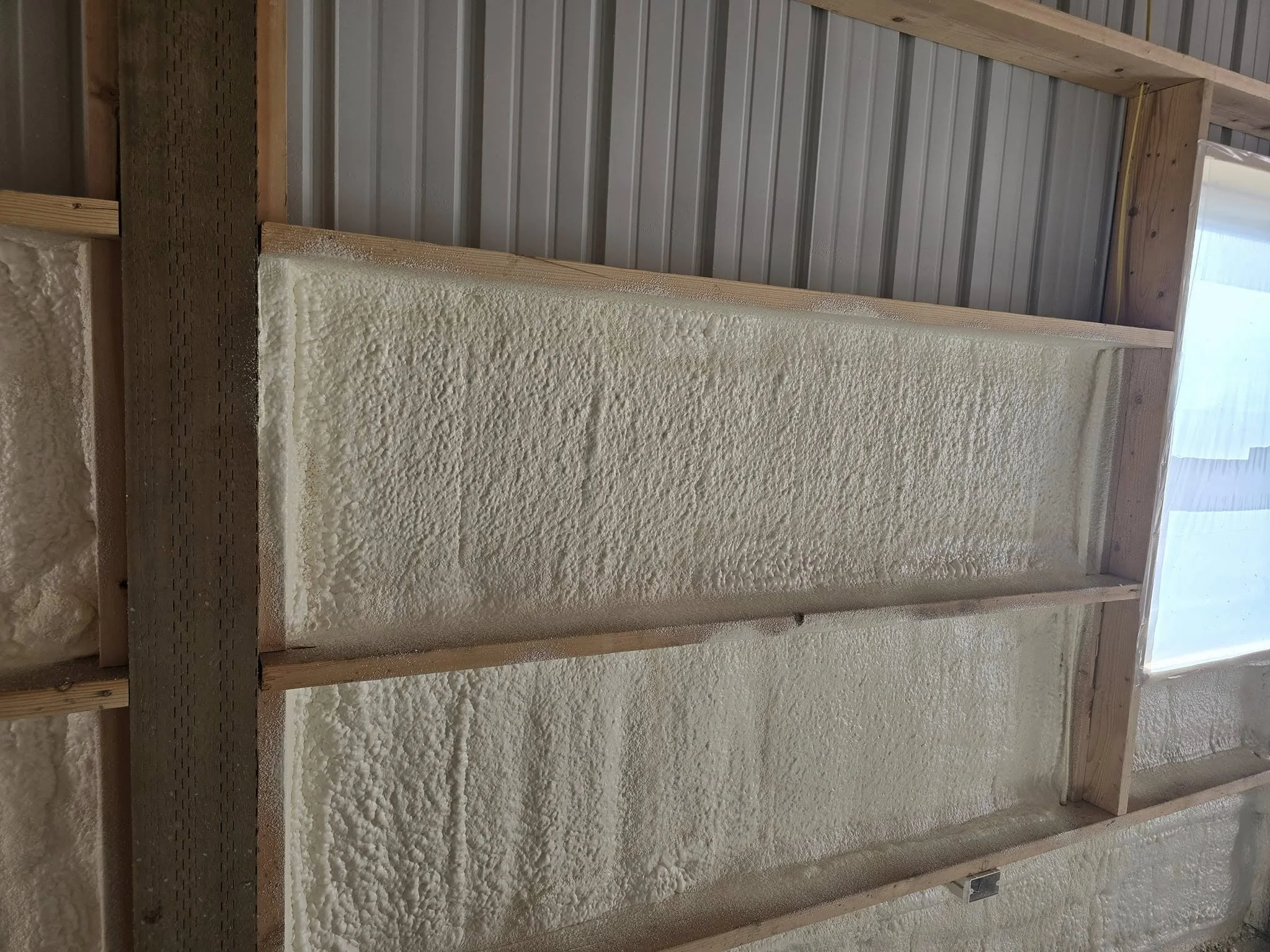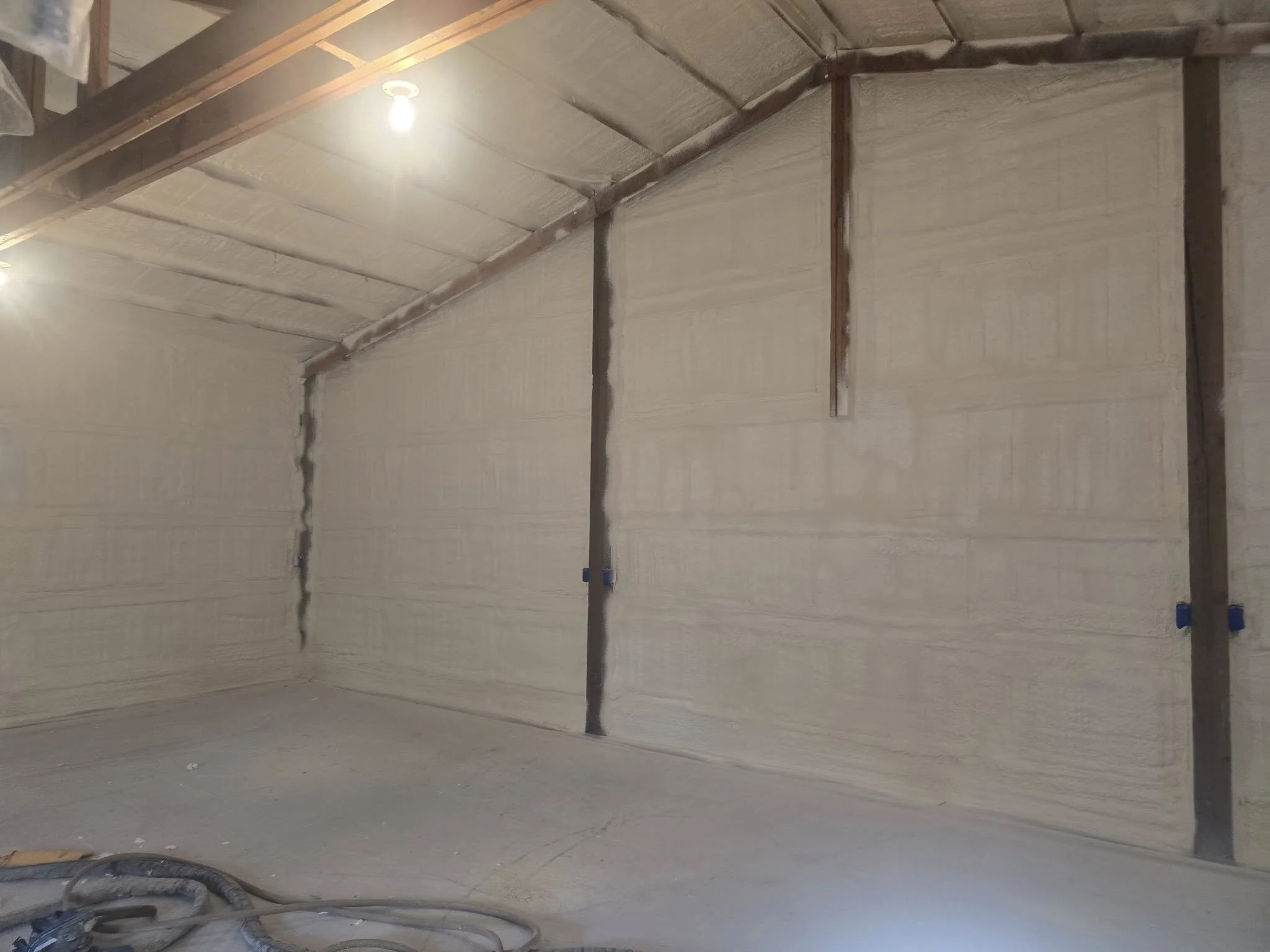
Spray Foam insulation in Bozeman MT
Epic Foam provides professional spray foam insulation installation in Bozeman, Montana and throughout the Gallatin Valley. Montana’s climate presents unique challenges for insulation systems, with long winters, rapid temperature swings, and large daily temperature differences between day and night. Proper spray foam installation in this environment requires not only the right materials, but also a deep understanding of building science, environmental conditions, and the chemistry involved in polyurethane foam application.
Epic Foam specializes in closed cell spray foam insulation for residential, commercial, and agricultural buildings in Bozeman and surrounding communities. Our work includes insulation systems for custom homes, shops, metal buildings, pole barns, crawl spaces, and agricultural structures throughout Gallatin County. Because every structure has different insulation needs, we approach each project individually and design insulation systems that match the building’s intended use, structure type, and exposure to Montana’s climate.
Epic Foam is an SPFA member and SPFA PCP certified installer, meaning our installation practices follow the professional standards established by the Spray Polyurethane Foam Alliance. Spray foam insulation is not simply sprayed material—it is a controlled chemical reaction that forms a high-performance plastic insulation system inside the building envelope. Achieving proper foam structure and performance requires careful attention to material temperature, substrate temperature, humidity levels, and environmental conditions at the jobsite.
To maintain proper installation conditions, Epic Foam uses large indirect heaters, dehumidifiers, and environmental control equipment to prepare and stabilize the building environment before spraying foam. In colder climates like Bozeman, maintaining proper substrate temperatures is critical for ensuring the foam bonds correctly to wood, metal, or concrete surfaces. Indirect heaters allow the building structure to be warmed evenly without introducing moisture or combustion gases that could interfere with foam chemistry.
Spray foam insulation relies heavily on environmental chemistry, meaning the reaction between the foam components is affected by temperature, humidity, and the condition of the building materials. Our experience allows us to carefully monitor and adjust these variables so that the foam expands properly, forms the correct closed-cell structure, and achieves full adhesion to the substrate. This attention to detail ensures long-term insulation performance and prevents issues that can occur when foam is applied under poor environmental conditions.
Another important factor in spray foam design is determining the correct foam thickness for each individual project. Not every building requires the same depth of insulation, and Epic Foam takes a building-science approach to determining appropriate insulation levels. One of the key factors we evaluate is the daily and seasonal temperature delta that buildings in Bozeman experience. Large differences between indoor and outdoor temperatures create higher heat flow through walls and roofs, which means insulation depth may need to be adjusted to achieve optimal energy performance.
For example, structures that are heated continuously during the winter—such as homes, shops, or equipment garages—may benefit from thicker foam layers to control heat loss during extended cold periods. Buildings that experience less consistent heating, such as seasonal structures or agricultural buildings, may require different insulation strategies. By evaluating the structure, its intended use, and the expected temperature differentials, Epic Foam can design insulation systems that provide the right balance of performance, efficiency, and cost.
In addition to thermal performance, closed cell spray foam insulation provides several other benefits that are particularly valuable in the Bozeman area. The foam forms a continuous air barrier that helps reduce air leakage through the building envelope, improving energy efficiency and indoor comfort. Closed cell foam also helps control condensation and moisture movement within wall and roof assemblies, which is important in climates that experience cold temperatures combined with indoor humidity.
Spray foam insulation can also help limit the pathways through which soil gases such as radon enter buildings. When applied properly in crawl spaces, rim joists, and foundation areas, spray foam creates a tight air seal that reduces uncontrolled air movement between the ground and interior living spaces.
Bozeman continues to experience significant growth, with new homes, shops, and commercial buildings being constructed throughout the Gallatin Valley. Epic Foam works with builders, contractors, and property owners to provide insulation systems that match the needs of modern construction while performing reliably in Montana’s challenging climate conditions.
With industry certification, specialized equipment, and extensive knowledge of spray foam chemistry and environmental control, Epic Foam provides insulation systems designed specifically for Montana buildings. Our focus on proper installation practices ensures that each project achieves the full performance potential of spray polyurethane foam insulation.
If you are planning a new build or insulation upgrade in Bozeman or anywhere in the Gallatin Valley, Epic Foam can help determine the best insulation system for your project and ensure it is installed correctly from the start.